


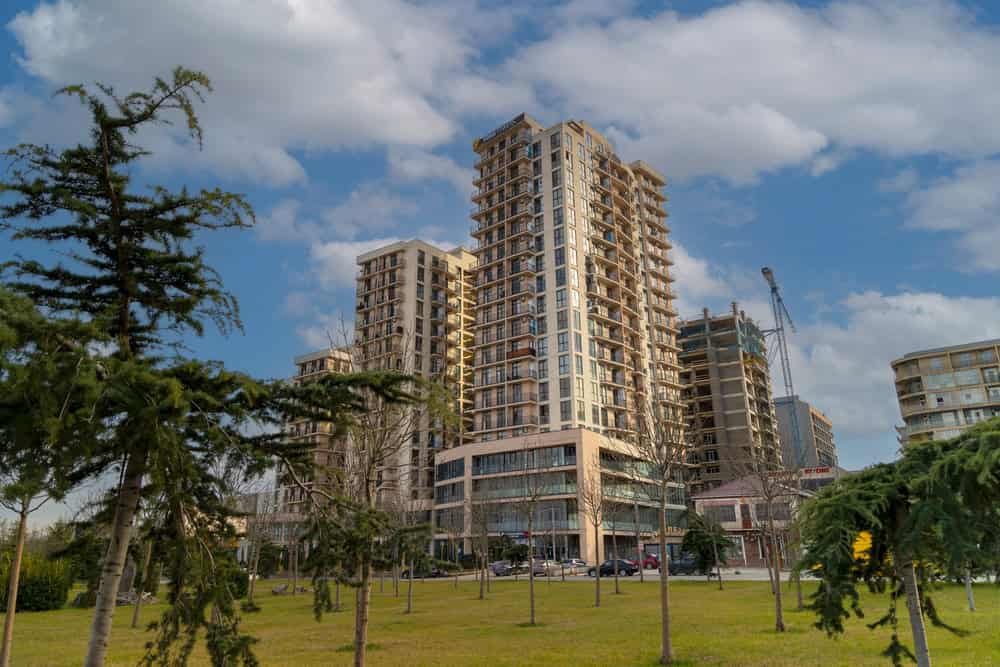
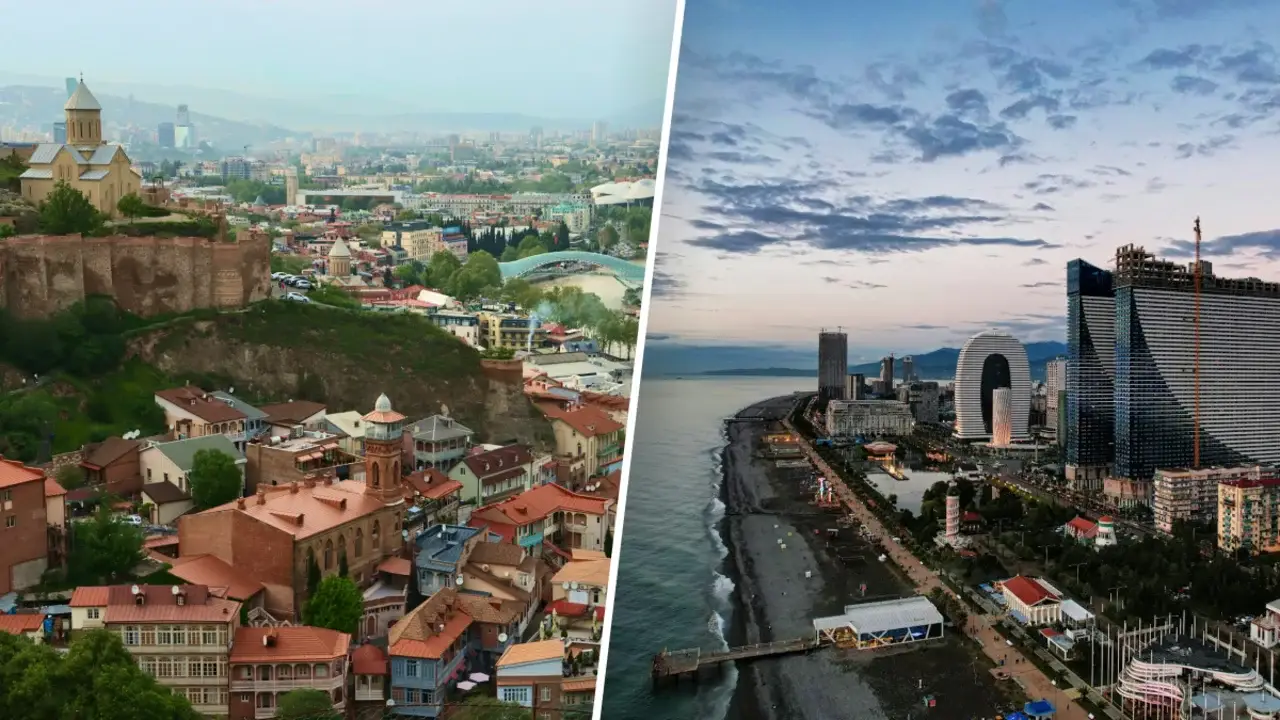
Georgia has quietly become one of the most talked-about property markets in the Caucasus region, and two cities dominate that conversation: Tbilisi, the capital, and Batumi, the Black Sea resort city. Both attract foreign buyers with low entry prices, foreigner-friendly ownership laws, and no restrictions on international purchases. But when it comes to actual return on investment, the two markets play by very different rules.
If you’re deciding where to put your money, the honest answer is: it depends on what kind of investor you are. Here’s a full breakdown to help you decide.
The Short Answer
Tbilisi offers steadier, more predictable returns driven by a year-round rental market. Batumi offers higher potential returns during peak season, but with more volatility, higher operating costs, and stronger seasonal dips. Neither city is objectively “better” — they serve different investment strategies.
Tbilisi: Stability and Year-Round Demand
Tbilisi’s rental market is powered by people who live and work in the city, not tourists passing through. Demand comes from a mix of locals, expats, embassy staff, university students, and employees of international companies operating in Georgia’s capital. That mix keeps occupancy relatively stable across all twelve months, without the sharp summer-to-winter swings you see on the coast.
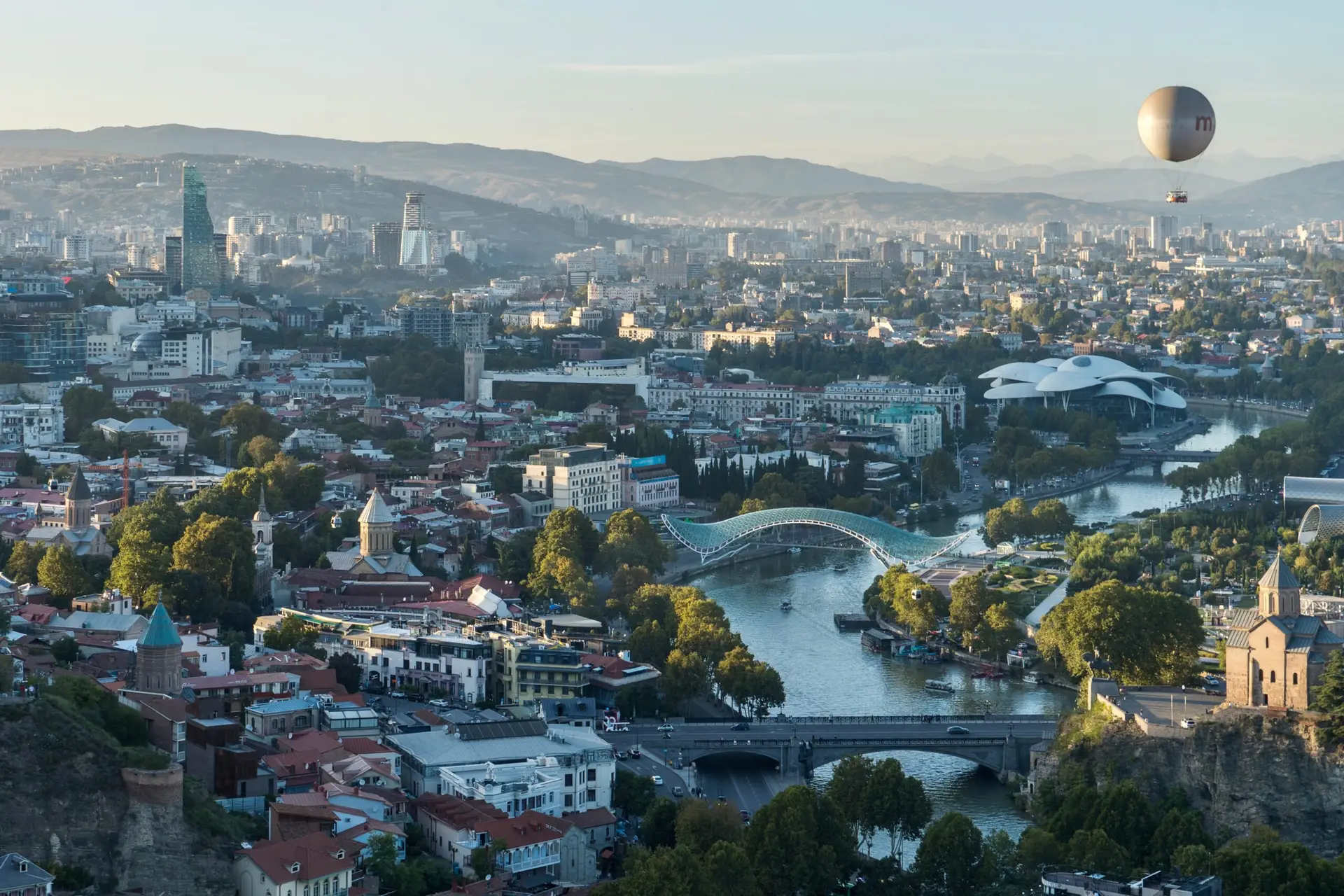
تبليسي
Typical figures for Tbilisi:
Gross rental yields generally fall in the 7–10% range, with some sources citing up to 8.4% in strong districts
New-build prices average roughly $1,300–1,400 per square meter citywide
Premium districts like Vake command $1,800–2,800 per square meter, while Saburtalo, Nadzaladevi, and Didi Dighomi offer more affordable entry points from around $1,000–1,600 per square meter
Property prices have risen at a moderate, single-digit pace over the past year, with most forecasts for 2026 pointing to continued but restrained growth
Domestic buyers make up the large majority of transactions, giving the market a solid local demand base rather than relying heavily on foreign capital
The appeal here is predictability. Long-term leases, lower tenant turnover, and minimal seasonal vacancy mean investors can model cash flow with more confidence. It’s the market for buyers who want dependable monthly income and don’t want to actively manage bookings, cleaning schedules, or dynamic pricing.
Batumi: Higher Ceiling, Higher Variability
Batumi’s economy runs on tourism, and its rental market reflects that. Summer months bring strong occupancy and nightly rates that can push seasonal returns into double digits. Winter tells a different story — demand drops, and owners who rely purely on short-term bookings often see occupancy fall well below half.
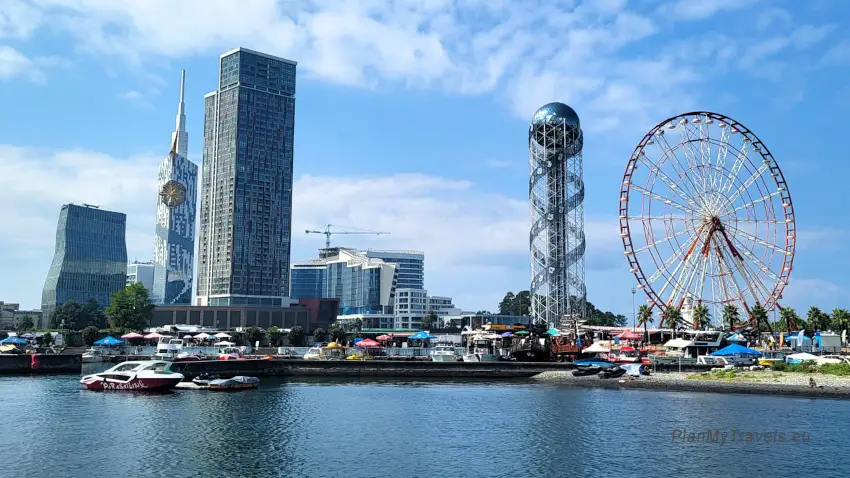
باتومي
Typical figures for Batumi:
- Advertised gross yields often range from 7–9% on average, with premium sea-view or first-line properties sometimes marketed at 12–16% during peak season
- New-build prices average around $1,180–1,430 per square meter, with first-line coastal units reaching $1,500–2,200 per square meter
- Price growth has outpaced Tbilisi recently, with some reports citing 10–14% annual appreciation in new developments, though forecasts for 2026 point to a slowdown to roughly 4–6%
- Foreign buyers play a much larger role here, accounting for around half of primary sales, with strong interest from EU, Israeli, Ukrainian, and Gulf-region buyers
- Sales volumes have been growing faster than in Tbilisi, partly driven by new project launches and a deepening resale market
The catch:
those headline yield numbers are gross, not net. Service charges, booking platform commissions, management fees, and higher maintenance from short-term guest turnover can eat 30–50% of gross rental income. Investors who don’t stress-test their numbers against realistic off-season occupancy are often disappointed when the “12% ROI” they were promised turns into something closer to 4–5% after costs.
Which Should You Choose?
Choose Tbilisi if you want predictable cash flow, plan to hold long-term, prefer minimal hands-on management, and value strong resale liquidity when it’s time to exit.
Choose Batumi if you’re comfortable with active property management, want exposure to tourism-driven upside, are targeting a specific well-positioned project (sea view, hotel-grade service, strong developer track record), and can absorb slower winter months without stress.
Consider both if you want diversification – a Tbilisi property for stable income and a Batumi unit for seasonal upside and lifestyle use.
Before committing capital to either market, run the numbers on a net basis – not just the gross yield you see in a listing – and factor in realistic occupancy, fees, and maintenance costs specific to the property you’re considering.
Thinking about investing in Georgian real estate? Get in touch with York Towers to discuss which market and project fits your investment goals.